Smith and Smith: Crafting Authentic Brand Connections
The Distinctive Look of This Handwritten Font
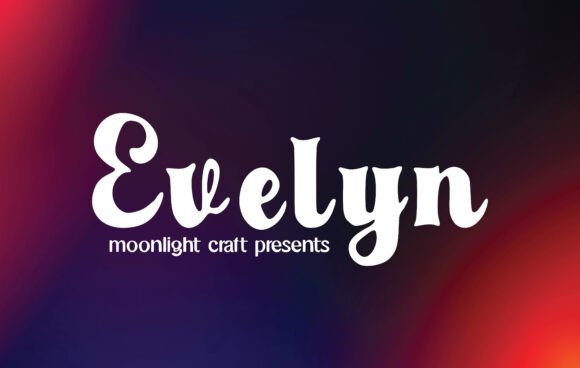
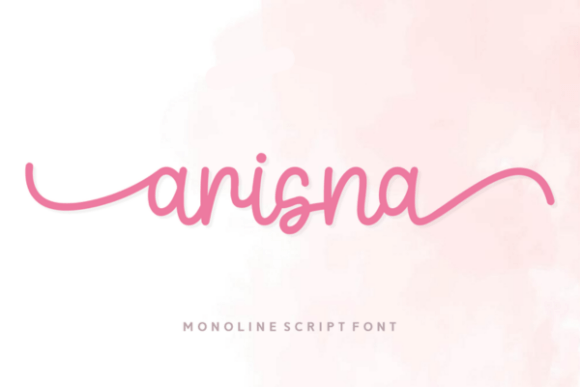
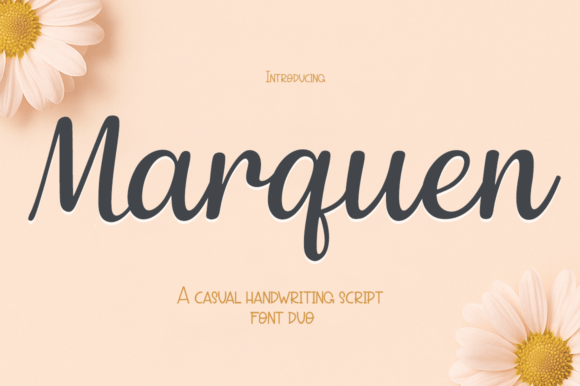
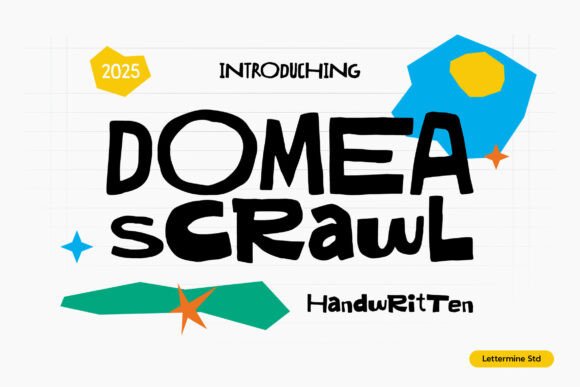
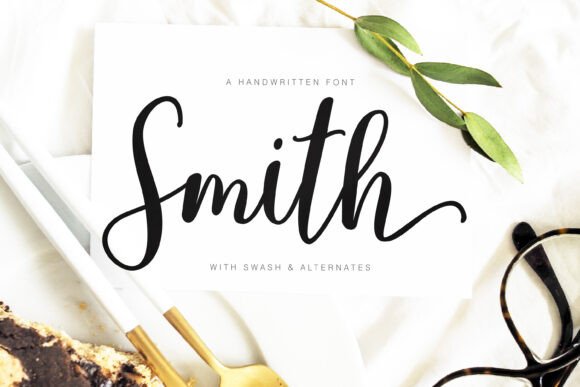
In a digital landscape saturated with geometric sans-serifs and rigid corporate typography, finding a typeface that feels genuinely human is a significant advantage. The Smith and Smith font offers exactly that—a sophisticated yet accessible handwritten aesthetic that bridges the gap between casual creativity and professional polish. Unlike many script fonts that can appear too decorative or difficult to read, this typeface strikes a delicate balance. The characters are crafted with flowing, natural strokes that mimic the consistency of a skilled hand-letterer, rather than the chaotic loops of casual handwriting.
Visually, the font presents a modern typography feel. It retains the warmth of a handwritten font but cleans up the edges to ensure legibility across various mediums. It is not merely a script font; it is a design asset that brings personality to the forefront. The fluidity of the letterforms creates a sense of movement, guiding the viewer’s eye across the page or screen. For designers and brand strategists, this visual movement is crucial. It suggests spontaneity, authenticity, and a personal touch—qualities that are increasingly difficult to convey in automated marketing environments.
Strategic Applications for Modern Brands
Understanding where to deploy a creative font like Smith is just as important as the font itself. Because of its versatile nature, it excels in specific contexts where emotional connection is key. If you are working on logo design, this typeface offers a distinct personality without sacrificing the scalability required for a primary brand mark. It works exceptionally well for lifestyle brands, boutique agencies, and personal branding where the "face" of the business needs to feel approachable.
Consider the impact on packaging design. In a retail environment, whether physical or digital, packaging must tell a story instantly. Using Smith on product labels—particularly for artisanal goods, cosmetics, or gourmet foods—immediately signals quality and care. It differentiates the product from mass-produced items that rely on standard, uninspired typefaces. Furthermore, for social media graphics, where attention spans are short, the distinctiveness of this font helps stop the scroll. It is perfect for handwritten quotes, promotional announcements, and Instagram Stories that require a personal, "behind-the-scenes" feel.
- Editorial Design: Use it for pull quotes or magazine headlines to break the monotony of body text.
- Greeting Cards: The natural flow mimics actual handwriting, making it ideal for personalized stationery and merchandise.
- Web Design: When used sparingly for calls-to-action or hero text, it adds a layer of warmth to an otherwise sterile interface.
- Name Tags & Badges: The clarity of the uppercase and lowercase sets makes it readable even at smaller sizes for event materials.
Typography in Practice: Pairing and Professionalism
A common pitfall for entrepreneurs and content creators is selecting a premium font based solely on aesthetics without considering functionality. Smith, however, is designed with utility in mind. When integrating this display font into your projects, the concept of font pairing becomes essential. Because Smith is expressive, it requires a grounding partner. It pairs beautifully with clean sans serif font families. The geometric structure of a sans-serif provides the necessary contrast to the organic curves of the script, creating a visual hierarchy that is both dynamic and readable.
For example, in a brochure or a website header, you might use Smith for the main headline to draw attention and establish a tone of elegance or creativity. The sub-headlines and body copy should then switch to a neutral sans-serif. This ensures that your brand identity remains professional while retaining a human element. Avoid pairing it with an ornate serif font, as this can often lead to visual clutter and a dated look. The goal is modern sophistication, not Victorian excess.
Technical Precision and Usability
From a technical standpoint, Smith is built to support the modern creative workflow. One of the standout features is the inclusion of PUA Unicode encoding. For those who aren't deep into the technical weeds of typography, this simply means accessibility. You don't need expensive design software like Adobe Illustrator to access the full character set. Whether you are using a basic text editor on a Mac, a PC, or even a mobile design app, the alternate glyphs and swashes are accessible. This democratizes high-end design, allowing crafters and small business owners to create professional-grade assets without a steep learning curve.
The multilingual support is another critical component for global brands. It ensures that the voice of the brand remains consistent across different markets. There is nothing more jarring than switching to a generic system font because your primary typeface lacks an accent mark or a specific character for a European market. Smith maintains its stylistic integrity across various languages, preserving the brand identity no matter where the content is viewed.
Evaluating Fit for Your Project
When deciding if this is the right design asset for your current project, consider the emotional response you wish to evoke. If your goal is to appear ultra-corporate, strictly scientific, or highly technical, a handwritten typeface might undermine your authority. However, for the vast majority of modern branding—especially in the creator economy, e-commerce, and service industries—authenticity is currency.
I recommend testing the font in context. Create a mockup of your homepage or a sample product label. Look at the readability in your specific color palette. Because it is a commercial font, you have the peace of mind that comes with proper licensing for client work and merchandise. Ultimately, Smith offers a way to humanize digital interactions. It turns standard text into a conversation, making it an invaluable tool for anyone looking to build a brand that resonates on a personal level.