Cookies Gingerbread: The Sweet, Handwritten Font for Creative Projects
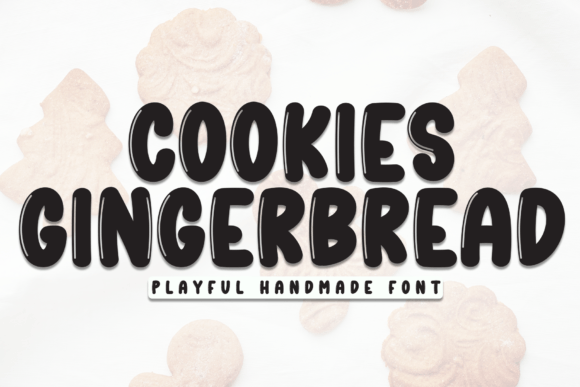
There’s a specific kind of warmth a handwritten font can bring to a design, a feeling of authenticity that polished, corporate typefaces often miss. Cookies Gingerbread is a prime example of this charm in action. It’s a sweet and friendly script font that captures the organic flow of natural handwriting, making it feel personal and approachable from the very first glance. This isn't just another decorative typeface; it's a versatile design asset with a distinct personality.
Visually, Cookies Gingerbread is characterized by its smooth, connected letterforms and a gentle, uneven baseline that mimics real handwriting. The strokes have a pleasant consistency—neither too thin nor too bold—giving it excellent legibility for a script font. It avoids the overly formal look of calligraphic scripts and the chaotic feel of some grunge fonts, landing in a sweet spot that feels genuine and friendly. The overall appeal lies in its ability to convey warmth, creativity, and a handmade quality without sacrificing clarity.
Where This Handwritten Font Truly Shines
The real strength of a creative font like Cookies Gingerbread is its adaptability. It’s not a one-trick pony confined to birthday cards. As a designer or brand strategist, you can leverage its friendly aesthetic across a surprising range of applications. Think about the last time a brand’s packaging made you smile or a social media post felt particularly relatable—chances are, a font like this played a role.
- Branding and Logo Design: For small businesses, bakeries, boutiques, craft studios, or personal blogs, this typeface can form the core of a warm, approachable brand identity. It works beautifully for logos, especially when paired with a clean sans serif font for body text.
- Packaging and Editorial Design: On product labels, especially for artisanal goods, Cookies Gingerbread adds a handcrafted touch. In editorial design, it’s perfect for pull quotes, subheadings, or chapter titles in lifestyle magazines and cookbooks, adding personality without overwhelming the page.
- Digital and Social Media: In the fast-paced world of web design and social media, standing out is key. This font is excellent for creating engaging social media graphics, Instagram stories, Pinterest pins, and website headers that need to capture attention and convey a friendly, human tone.
- Personal and Commercial Projects: From wedding invitations and greeting cards to T-shirt designs and digital planners, Cookies Gingerbread is a fantastic tool for crafters and hobbyists. Its commercial license also makes it a viable premium font for entrepreneurs creating products for sale.
Making It Work: Practical Guidance for Designers and Creators
Choosing the right font is only half the battle; using it effectively is what separates good design from great. Here’s how to integrate a display font like Cookies Gingerbread into your work with professionalism and impact.
Evaluating Fit and Readability
First, assess if the font’s personality aligns with your project’s goals. Cookies Gingerbread is ideal for projects aiming for a friendly, creative, or nostalgic feel. It may not be the best choice for a law firm’s annual report, but it’s perfect for a local café’s menu. Always test readability at the intended size. While legible for a script font, it’s best used for headlines, logos, and short phrases rather than long paragraphs of body copy. For body text, pair it with a highly readable serif font or sans serif font.
Mastering Font Pairing
The key to professional typography is contrast and harmony. Cookies Gingerbread pairs exceptionally well with simple, geometric sans serifs like Montserrat or Lato. The clean lines of the sans serif provide a stable foundation, allowing the handwritten font’s character to pop without creating visual chaos. For a more classic look, try pairing it with a traditional serif like Garamond. The goal is to let each typeface play to its strengths, creating a clear visual hierarchy.
Checking the Toolkit and Licensing
Before committing, explore the font’s full package. Does it include stylistic alternates, ligatures, or multiple weights? These features can greatly expand its versatility. Crucially, if your project is commercial—whether it’s a client logo, a product you sell, or monetized content—ensure you have the correct commercial font license. Respecting font licensing is a non-negotiable part of professional practice.
Ultimately, Cookies Gingerbread is more than just a sweet-looking typeface. It’s a tool for adding a layer of human connection to your designs. By understanding its strengths and applying it thoughtfully, you can use it to build stronger brand recognition, create more engaging content, and add a touch of warmth that resonates with your audience. The only limit, as with any great design asset, is your imagination.