Ahmed: The Handwritten Font That Brings Authenticity to Your Brand
There is a certain energy that comes with handwritten typography. It feels immediate, personal, and undeniably human. In a digital landscape often dominated by sterile, geometric sans serif fonts, finding a typeface that retains that organic warmth is essential for designers and business owners alike. Ahmed steps into this space as a lovely and beautiful handwritten font, offering a distinct personality that can elevate a project from merely functional to truly expressive.
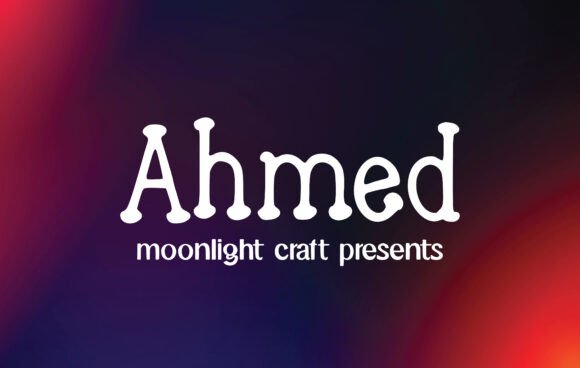
When you first encounter Ahmed, you notice the fluidity of its strokes. It strikes a delicate balance between casual elegance and legible structure. Unlike some script fonts that lean too heavily into chaotic calligraphy, Ahmed maintains a rhythm that is easy on the eyes. It possesses a modern flair that feels current, avoiding the dated look of overused "handwriting" styles from the early 2000s. This font has the potential to take your creative ideas to the highest level, providing a typeface that feels both artistic and accessible.
The Anatomy of a Modern Handwritten Typeface
To understand why Ahmed works so well, we have to look at its visual characteristics. As a premium font, it has been crafted with attention to the subtle details that distinguish high-quality typography from amateur lettering. The letterforms feature a natural flow, with varying baseline shifts and stroke weights that mimic the pressure of a real pen or brush. This organic movement gives the text a "lived-in" quality, which is crucial for brands wanting to appear approachable rather than corporate.
However, legibility is often the Achilles' heel of script fonts. Many beautiful handwritten typefaces fail when used for anything longer than a three-word headline. Ahmed, on the other hand, has been optimized for readability. The spacing (or kerning) is generous enough to prevent letters from crashing into one another, yet tight enough to maintain the connected flow of cursive writing. This makes it a versatile creative font suitable for various applications, ranging from short quotes to product descriptions.
Where Ahmed Shines: Practical Applications
The true value of a design asset is measured by its utility. Ahmed is not just a font to be admired in a specimen sheet; it is a tool built for real-world application. Here is how different professionals can leverage this typeface.
Branding and Logo Design
For entrepreneurs and small business owners, a logo is the face of the company. If your brand identity relies on warmth, friendliness, or artisanal quality, Ahmed is a strong contender for logo design. It works exceptionally well for lifestyle brands, boutique shops, wedding planners, and wellness coaches. When used as a primary wordmark, it instantly signals that there is a human being behind the business, not just an algorithm. It pairs beautifully with a clean sans serif font for taglines, creating a visual hierarchy that is both professional and personal.
Digital Presence and Social Media
In the realm of web design and social media, capturing attention is the primary goal. Scrollers move fast, and a block of standard text often gets ignored. Using Ahmed for pull quotes, Instagram graphics, or YouTube thumbnails can break the visual monotony. It acts as a visual highlighter, drawing the eye to specific messages. Because it is a modern typography choice, it fits seamlessly into contemporary grid layouts used by influencers and content creators.
Editorial and Packaging Design
Publishers and packaging designers often need to convey a specific mood. In editorial design, Ahmed can be used for drop caps or section headers to introduce a softer, more intimate tone to a magazine spread or blog post. In packaging design, particularly for food, cosmetics, or handmade goods, the font adds a layer of tactile authenticity. It suggests that the product inside is crafted with care. It is the best choice for creating eye-catching branding elements that stand out on a crowded shelf.
Strategic Typography: Influence on Audience and Brand
Choosing a font is a psychological decision as much as an aesthetic one. Typography influences how your audience perceives your brand before they even read the words. Using a handwritten font like Ahmed impacts several key areas of your visual strategy.
- Brand Perception: Ahmed signals creativity and approachability. It moves a brand away from "corporate" and toward "boutique" or "personal."
- Visual Hierarchy: By using Ahmed for headers and a standard serif font or sans serif for body text, you create a clear distinction between importance levels. This guides the reader’s eye naturally down the page.
- Emotional Connection: Handwriting is intimate. It evokes the feeling of a handwritten note from a friend, which can increase audience engagement and trust.
However, this influence must be managed carefully. Overusing a display font like Ahmed can dilute its impact and hurt readability. If you use it for long paragraphs, the reader will fatigue. It is best reserved for moments of emphasis—headlines, calls to action, and short, punchy statements where you want the personality to shine.
Integrating Ahmed into Your Workflow
For designers and creators, adopting a new typeface involves more than just liking the way it looks. It requires practical evaluation. When you install Ahmed, you are gaining access to a commercial font that requires an understanding of its capabilities.
Evaluating Font Pairings: No font exists in a vacuum. Ahmed pairs best with neutral, geometric typefaces. Try combining it with a sans serif font like Montserrat or Lato for a clean, modern look. If you want a more traditional or editorial feel, pair it with a readable serif font like Merriweather or Lora. The contrast between the organic shapes of Ahmed and the structured geometry of the supporting font creates a dynamic tension that looks professional.
Testing for Context: Always test the font in the specific medium where it will be used. A font that looks great on a high-resolution monitor might lose detail on a textured paper print. Check the weight of the strokes to ensure they hold up in smaller sizes, particularly for mobile web design.
Licensing and Usage: As a premium font, Ahmed comes with licensing terms that allow for commercial use. This is vital for businesses. Using properly licensed typography ensures that your brand identity is legally sound and that you are supporting the type designers who create these tools. Always review the license to understand where you can deploy the font, whether on merchandise, digital ads, or software interfaces.
Conclusion: Elevating Your Creative Projects
Ahmed is more than just a collection of vectors; it is a versatile tool for storytelling. In a world of automated text and rigid grids, this creative font offers a breath of fresh air. It provides the visual warmth needed to connect with audiences on a human level. Whether you are designing a wedding invitation, branding a new coffee shop, or creating a motivational quote for social media, Ahmed offers the style and substance to make your work stand out. By understanding its strengths and applying it with strategic intent, you can harness the power of modern typography to build a stronger, more engaging visual presence.